
The Time Capsule: Coach Goes Public in Y2K
September 22, 2026 | By Vintage Icon Vault
Coach 2000 to 2004: The IPO Years and the Bags That Still Read as Y2K
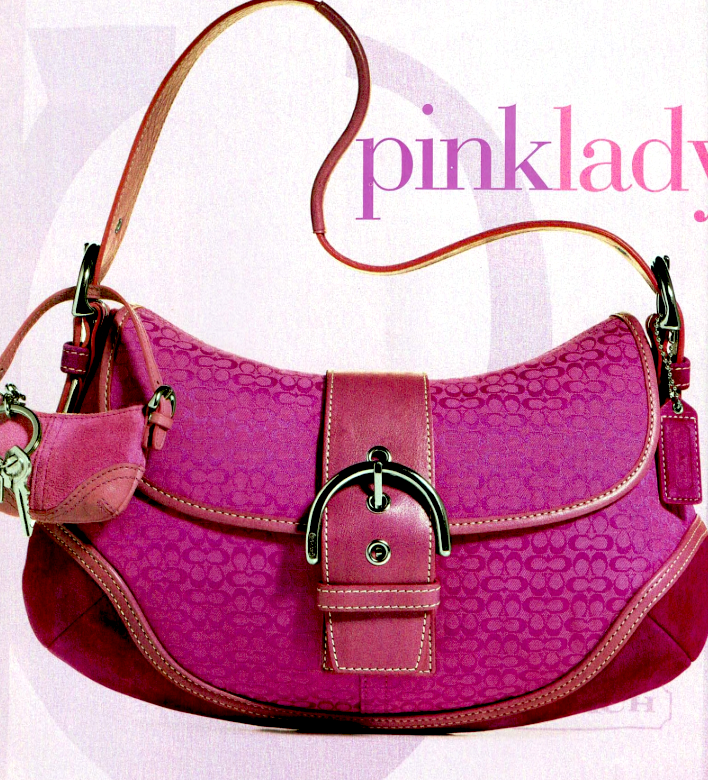
Y2K Coach is a vibe. You can open the 2000 to 2004 catalogs and see it: Signature C jacquard still mixed with leather, Hamptons launched as a full lifestyle collection, compact Demis built to clip into larger bags, wool denim hybrids, bright red and vicuna leather, dog leash zipper pulls, hang tags, Palm and Nokia cases sitting on the same spread as the handbags. That mix is the look. It is also the inventory that moves now.
https://vintageiconvault.com/resources/2000-spring
https://vintageiconvault.com/resources/2000-holiday
https://vintageiconvault.com/resources/2003-summer
https://vintageiconvault.com/resources/2004-catalog
https://vintageiconvault.com/resources/2004-summer
The corporate date that locks the window is October 4, 2000. Coach, Inc. priced 7.38 million shares and listed on the NYSE as COH. Sara Lee, owner since the 1985 acquisition, sold a minority stake and completed the spin off in April 2001. Reed Krakoff had been creative director since 1996. The IPO funded store growth and catalog circulation at the exact moment the product line finished its shift from heritage leather house to accessible American lifestyle brand. The three catalogs are the primary source for what that shift looked like on the page.
How Coach arrived at 2000
Coach started in 1941 as a New York leather workshop. Bonnie Cashin in the 1960s added color, turnlocks, and the idea that a bag could be part of a system. Sara Lee bought the company in 1985 and treated it as a solid but dusty division. By the mid 1990s it was an American leather goods brand that looked older than the customer it needed next.
Krakoff’s job was to keep the leather quality and make the line look current without turning it into a European It bag costume. He later described the Hamptons collection as the first complete statement of “this is Coach, today.” Signature fabric gave the brand a graphic that photographed. Compact shapes and clip in accessories made the bags usable with the clothes people actually wore: low rise denim, mules, small tops, weekend wool. The catalogs from 2000 to 2003 are that program in print.
Coach.com had launched in 1999. Every catalog still printed the 800 number. Shopping was catalog, phone, website, and store, not social media. That distribution is why so many of these bags survived in closets in wearable condition. They were bought to use.
Spring 2000: Signature arrives as “NEW”
The Spring 2000 book already treats Signature fabric as a collection, not a test. New Coach Signature Fabric Sunglass Case (6016). Signature Demi Pouch (6094). Signature Lunch Tote (6080). Signature Clip Hobo (6091). Signature Small Agenda (8746). Signature Binocular Pouch (6098). Jacquard body, leather trim, trigger snaps that convert to wrist straps, hang tags.
The C print in these pages is not later all over logo. It is a textile used with vachetta and glove tanned leather. That is why early Signature pieces still look like bags instead of billboards. The Demi is the key small shape: zip pouch, clip hardware, meant to live inside a tote or hang from a wrist. That modular idea is more Y2K than any caption about “nostalgia.” People carried a phone, a Palm, keys, and lipstick. The bag system assumed that.
Hamptons appears in the same season as leather: Hamptons Leather Demi Pouch, Lunch Tote, Binocular Case. Soft, lightweight, no rigid structure. The name did commercial work. Hamptons meant weekend and easy, not formal East End costume. A small leather Demi inside a larger tote is the actual merchandising logic printed in the book.
Girlie supplies the playful register: leather hobos with contrast perforated corners, herringbone and paisley, denim perforated hobos, Pamela mules. Bonnie’s Legacy keeps suede satchels and buckets in the mix. Legacy East adds lightweight leather crossbodies and perforated mini hobos. The book does not throw out the old line. Court and Willis still sit in later 2000 pages as “Coach classics.”
Color in Spring 2000 is specific: bright red, black, mahogany, vicuna, parchment, chestnut. Contrast stitching is visible. Hardware is nickel or brass depending on the family. Those details are how you date a piece against the catalog instead of guessing “early 2000s.”
Holiday 2000: Hamptons becomes a wardrobe
The Holiday book expands Hamptons into mixed fabric. Hamptons Wool Denim Small Hobo (7762), Small Tote (7764), Flap (7763), plus leather versions of the same shapes. Wool denim is the Y2K fabric move: not fashion week denim as statement, just a weekend bag that could take weather and still look like Coach. A baby bag and book tote sit in the same family. The collection is a system, small bag, medium bag, tote, not a single hero silhouette.
Legacy is restated as “a modern iteration of Coach tradition”: Legacy Hobo (9058), Small Hobo (9059), Compartment Tote (9163), Drawstring (9165), East Large Hobo (9210). Soft leather, zip tops, front pockets, clean hardware. These are the pieces that still get listed as “classic Coach” even when the seller means 2000, not 1985.
The classics pages keep Court Bag (9870) and Willis (9807) in the line. Lexington wallets and French purses in water buffalo calfskin. Patricia’s Legacy Bag (9951). The company was not abandoning structure. It was selling structure and slouch in the same catalog.
Accessories in Holiday 2000 are part of the Y2K picture, not filler. Chelsea Hippie flaps and zips. Contrast stitch silk lined gloves and cashmere lined nappa gloves. Fulton tank watches, Swiss made. Eden shoes. Belts with wire form, legacy buckle, rectangle plaque, croc print. Sunglasses with red leather cases. The customer was being sold a finished look: bag, gloves, watch, small leather goods. That is catalog era Coach, not later drop culture.
Gift language in the Holiday book is blunt: wrap it up, wish list, give her something extra. Coach was already a Christmas and graduation brand. That is one reason clean examples still surface. They were gifts that got used, then stored.
Summer 2003: Soho takes the urban page
Three years after the IPO the Summer 2003 catalog makes Soho the city counterpart to Hamptons. New Coach Soho Mini Signature Tote (6383). Soho Mini Signature Large Hobo (6385). Soho Mini Signature Small Drawstring (6387). Mini Signature Flap Satchel (6388). Signature jacquard, leather trim, buckle tabs with hidden magnetic snaps, expandable gussets, cell phone/pen pockets, accessory ring clips, dog leash hardware.
The page language is “adaptable,” “function made,” “street smart.” Compact and slightly slouchy. Black/white, khaki/chestnut, purple. That color set plus the buckle flap and drawstring shapes is what resale now calls Y2K Soho.
Hamptons does not disappear. Hamptons Weekend Tote (5071) in weather resistant nylon with Signature interior, dog leash pull, webbed straps. Large (5074) and Small (5078). Hamptons Weekend Crusher (2823). Denim versions of the same idea appear on earlier pages of the same book. Stripe Demis and Signature Stripe Totes sit between Soho and Hamptons. The line is still a system: city Soho, weekend Hamptons, small Demi that works with both.
Tech accessories in 2003 date the book harder than any essay. Leather MP3 player case (8237) “fits mp3 players including iPod.” Business card cases, slim envelope wallets, jewelry pouches in Mini Signature and nappa (4342 and 7683). Mini Signature folding umbrella (4325) with leather wrist strap and dog leash clip. Coach was still designing around the objects in a woman’s bag: phone, iPod, cards, keys. That is early 2000s life, printed.
Shoes and sunglasses stay in the mix: Nevada ankle strap sandal, Penelope sunglasses with leather case, mules from the earlier books. The accessory ecosystem is consistent across the three catalogs. Bag first, then the small things that made the bag usable.
What Y2K actually looked like on these pages
The European It bag story of 2000 to 2003 is Fendi Baguette, Dior Saddle, early Balenciaga City. Coach occupied a different slot: the bag a millennial could buy without a waitlist and carry to work, weekend, and mall. Mixed fabric was the aesthetic, jacquard plus leather, leather plus denim, wool plus denim, not crystal and logo armor. Small slouch and Demi scale matched low rise jeans and short tops without requiring a tiny evening bag. Bright leather (especially red) and contrast stitching did the visual work that later houses did with patent and multicolor monogram.
Hamptons was preppy practical. Soho was downtown compact. Girlie was the denim and print experiment. Signature was the graphic that made the bag readable in a photograph. None of that required a celebrity placement to function. The catalogs sold it directly.
The clip in Demi is the design idea that most clearly belongs to this window. A pouch with a trigger snap is not a mini It bag. It is a component. You see the same thinking in the binocular pouches, agendas, Palm covers, and later iPod cases. Y2K Coach assumed you carried devices and needed pockets and clips. Later “Y2K revival” bags often copy the print and ignore the system.
Why these years nowdominate vintage sales
Listings tagged Y2K Coach concentrate on 2000 to 2005 Soho and Hamptons: Signature canvas with leather Demis, small hobos, buckle flap Soho bags, Hamptons leather and mixed fabric totes. Clean hardware, pink, optic, cherry, and unusual catalog colorways move first. Style numbers from these books, 6094, 6383, 6385, 6387, 6388, 7762, 5071 and their cousins, recur because sellers and buyers can match them to the catalogs. Soho pieces from this window, including later famous numbers adjacent to the 2003 minis, are among the most searched vintage Coach silhouettes.
The reasons are product facts, not atmosphere:
Construction. Glove tanned leather and early Signature jacquard from these seasons hold shape and color better than a lot of later high volume canvas. Edges, stitching, and hardware from 2000 to 2003 still look like Coach workshop output.
Readable graphic, not fatigue. The C print in these catalogs is still a fabric used with leather. It photographs as early 2000s Coach. Later all over logo production trained buyers to treat the print as cheap. The earlier mix reversed that.
Silhouette match. Demi, small hobo, slouchy Soho, Hamptons tote, buckle flap satchel fit current Y2K dressing, low rise, denim, small top, mule or sneaker, without looking like a 2014 slouch or a 1992 structured briefcase.
Finite color and fabric. Wool denim Hamptons, specific 2000 reds, parchment, early purple Soho, stripe Demis, and limited Girlie prints were not kept in continuous production at the same spec. Coach “Originals” Hamptons reissues raise demand for the catalog era leather and mixed fabric versions. They do not replace them.
First accessible luxury bag. For a large millennial cohort this was the designer bag they could actually own. Gen Z buying the same pieces now is buying a documented object from that moment, not a costume of Paris Hilton. The catalogs prove the object existed in these materials.
Condition still decides price. Clean vachetta, intact hanging tag, working snaps, and uncracked jacquard outperform the same style with water stains and missing hardware. That is true of every vintage category. It is especially true here because so many of these bags were daily drivers.
How to read a piece against these catalogs
Style number first. The books print them next to dimensions. A Soho Mini Signature Tote marked 6383 is a 2003 catalog object. A Signature Demi 6094 is a 2000 object. Hamptons wool denim 7762 is Holiday 2000. Matching number, fabric, and hardware to the page is better than “circa Y2K.”
Materials second. Early Signature is jacquard with leather trim, not coated canvas pretending to be the same thing. Hamptons leather is soft and lightweight. Wool denim has a distinct hand. Legacy in these books is glove tanned or similar lightweight leather, not the stiff 1980s hide.
Hardware third. Dog leash pulls, trigger snaps on Demis, buckle tabs with hidden magnets on 2003 Soho flaps, nickel versus brass by collection. Hang tag shape and font help, but the combination of number plus fabric plus hardware is the catalog method.
Function fourth. Cell phone pockets, clip rings, convertible wrist straps, and Palm/iPod cases are period features. They are also why these bags still work. A 2003 Soho with a phone pocket is not a museum piece. It is a bag designed around what people carried then.
The 2000 Spring, 2000 Holiday, and 2003 Summer catalogs are not inspiration boards. They are the inventory list. Coach went public in October 2000, printed these collections, and sold a mixed material, compact, clip in system that happened to land in the middle of Y2K dressing. Those are the bags that still sell because they were built in the last stretch when the company was scaling the brand without yet cheapening the object. The books are how you prove it.
Sign in to leave a comment